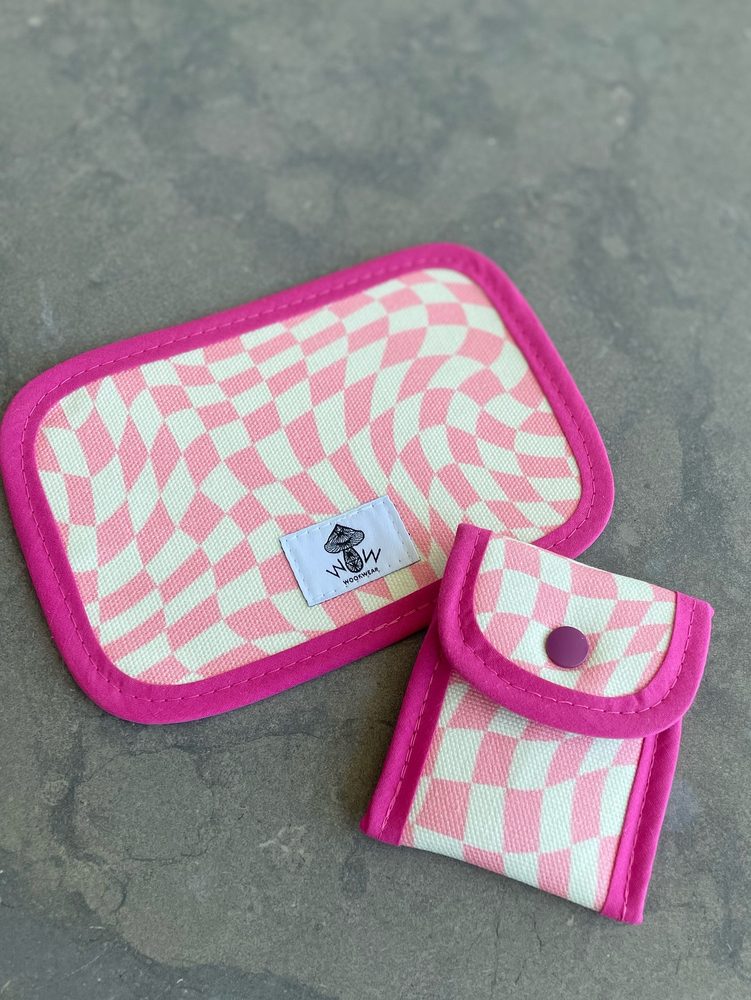
Open any fast fashion website and you can buy a bag for ten dollars. It'll arrive in a poly mailer, smell like chemicals, and fall apart within a few months. The zipper will stick, the strap will fray, and it'll end up in a landfill alongside 92 million tons of other textile waste generated globally each year. This is the true cost of cheap, mass-produced goods.
The Hidden Costs of Cheap
That ten dollar bag seems like a bargain until you count what went into making it. Underpaid labor in unsafe conditions. Synthetic materials derived from petroleum. Toxic dyes dumped into rivers. Thousands of miles of shipping. The real cost isn't ten dollars. It's externalized onto workers, communities, and the environment. When something costs less than a sandwich, someone else is paying the difference.
What Handmade Actually Means
A handmade piece is the opposite of all that. When you buy from an independent maker, you know exactly where your money goes. You're paying for quality materials selected by hand, hours of skilled labor, and the creative vision of someone who cares deeply about their craft. There's no faceless supply chain, no sweatshop, no corner-cutting. Just a person and a sewing machine, pouring their time and expertise into something built to last.
The quality difference is tangible. Handmade bags use heavier fabrics, stronger thread, and more robust construction techniques than their mass-produced counterparts. Seams are reinforced. Hardware is hand-set. Edges are finished properly instead of left raw. These details add up to a product that lasts years instead of months.
Uniqueness You Can Feel
Every handmade piece is slightly different. The fabric pattern falls in a unique way. The stitching has a human rhythm to it. The color combination exists on only one piece in the entire world. In a culture drowning in identical products, this kind of uniqueness has real value. Your bag isn't a copy of ten thousand others. It's genuinely one of one.
Supporting Real People
When you buy handmade, you're supporting a real person's dream. You're helping them pay rent, buy more materials, and keep doing work they love. That money circulates in local communities rather than flowing to corporate shareholders. It's a fundamentally different economic model, one that values people over profits and quality over quantity.
The handmade movement isn't about being anti-technology or anti-modern. It's about being intentional with your choices. It's about recognizing that the things you carry every day should be made with care, built to last, and connected to a real human story. That's not a luxury. That's just how things should be made.