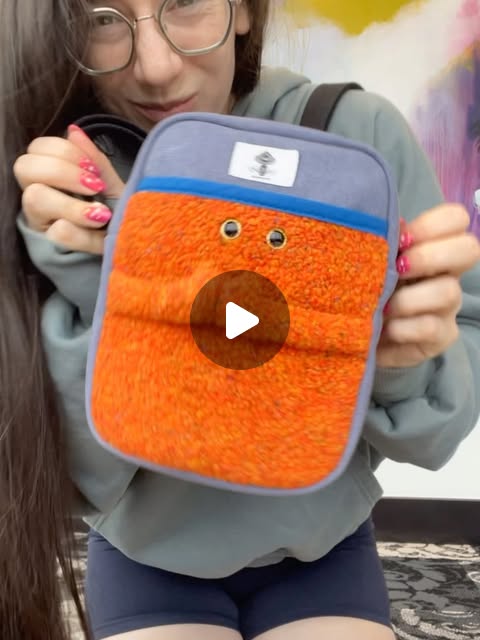
If you've ever buried your hands in a Wook Wear buddy pouch and thought "this is unreasonably soft," you've met sherpa fabric. Named after the Sherpa people of Nepal who are famous for thriving in extreme cold, sherpa fabric is designed to mimic the cozy texture of sheep's wool without using any animal products.
Sherpa vs. Fleece: What's the Difference?
Sherpa and fleece are often confused, but they have distinct characteristics. Fleece is soft and smooth on both sides with a uniform, flat pile. Sherpa has two very different faces: one side features bumpy, curly fibers that look like wool, while the other is a smooth, flat knit. This dual-sided construction gives sherpa more visual texture and a more luxurious hand feel compared to standard fleece.
Both are typically made from polyester, which means they're lightweight, quick-drying, and machine washable. Sherpa tends to be slightly heavier and thicker than fleece, giving it better insulating properties. The curly pile traps air between the fibers, creating a warm microclimate against the skin.
Why Sherpa Works for Pouches
Buddy pouches are meant to be touched, squeezed, and carried close to the body. The sensory experience matters as much as the visual design. Sherpa fabric provides that instant comfort factor. When someone picks up a sherpa-lined pouch, there's an involuntary reaction: they don't want to put it down. That tactile appeal is what turns a functional accessory into something people form an emotional attachment to.
From a construction standpoint, sherpa's thickness adds structure to small pouches without requiring interfacing. The fabric holds its shape when sewn into panels, and the curly pile hides minor stitching imperfections along seam lines. It's also forgiving to cut. Unlike slippery fabrics that shift on the cutting mat, sherpa stays put and cuts cleanly with a rotary cutter.
Working With Sherpa
The biggest challenge with sherpa is shedding. Those curly fibers love to escape during cutting and sewing, so keep a lint roller nearby and vacuum your workspace when you're done. Use a longer stitch length than you would with canvas or denim since a shorter stitch can bunch the pile and create a stiff, puckered seam.
When pressing seams, skip the iron entirely. Heat will melt polyester sherpa into a flat, shiny disaster. Instead, finger-press your seams open or use a seam roller. For attaching sherpa panels to heavier fabrics like denim or canvas, use a walking foot to prevent the layers from shifting. The pile can grab and drag under a standard presser foot, causing uneven seam lines.
Sherpa comes in a rainbow of colors and even prints, making it a perfect match for Wook Wear's psychedelic aesthetic. A neon orange sherpa panel on a tie-dye pouch? That's the kind of unexpected combination that stops people in their tracks at a festival.