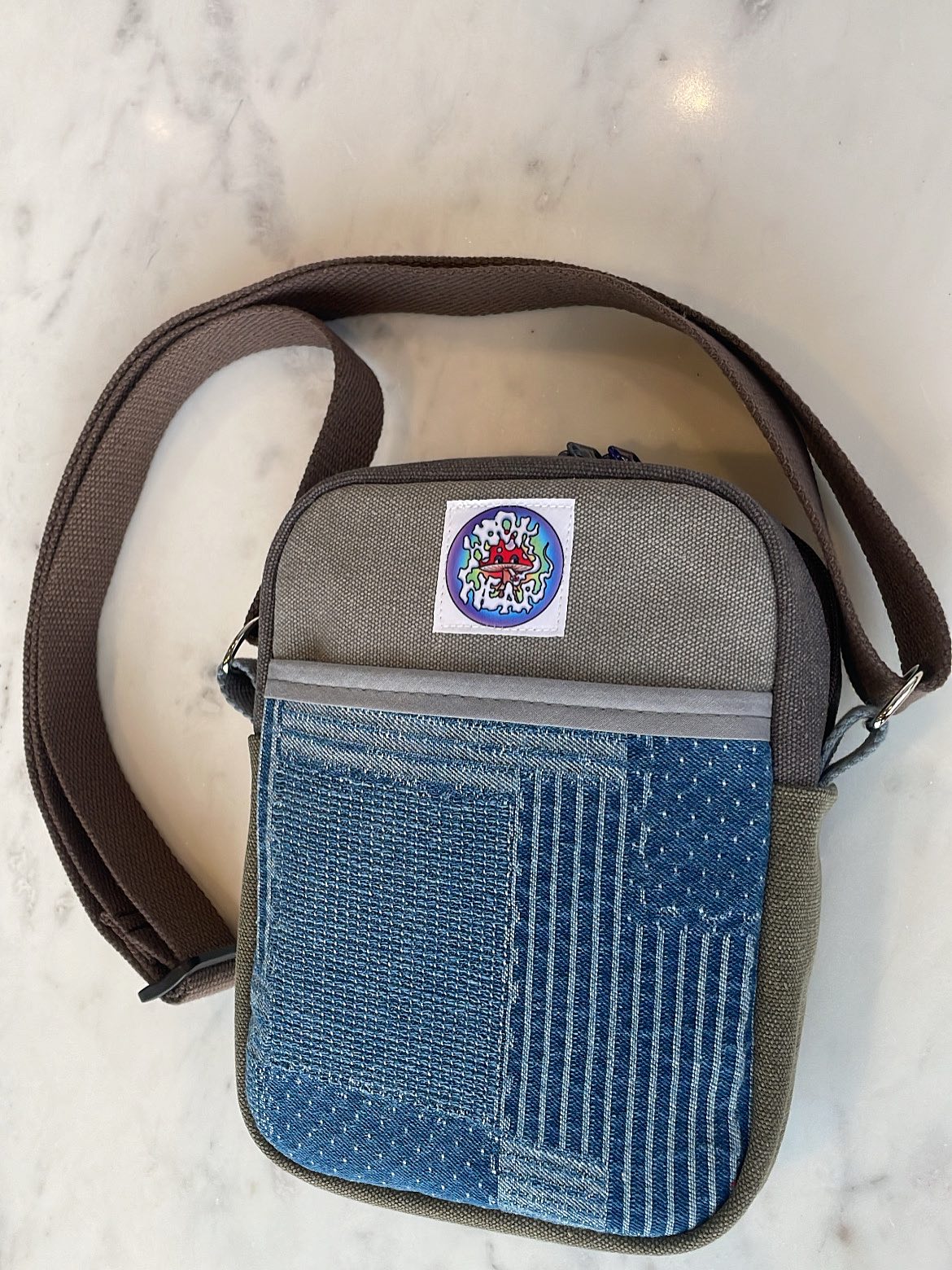
Sashiko, which literally translates to "little stabs," is a form of Japanese decorative stitching that dates back to the Edo period. What started as a practical way for working-class families to mend and reinforce worn clothing has evolved into one of the most beautiful and meditative needlework traditions in the world.
The History Behind the Stitch
Japanese farmers and fishermen originally used sashiko to reinforce areas of their indigo-dyed work clothes that wore out quickly, like elbows and knees. By layering scraps of fabric and stitching them together in dense geometric patterns, they created textiles that were stronger than the originals. The patterns weren't just decorative. Each one served a structural purpose, distributing stress across the fabric evenly.
Over the centuries, the patterns became more elaborate and took on symbolic meanings. The asanoha (hemp leaf) pattern was believed to promote healthy growth and was often used on baby clothes. The nowaki (ocean waves) pattern represented resilience. These motifs were passed down through generations, each family developing their own variations.
How Sashiko Works
At its core, sashiko is a running stitch, which is the simplest stitch in sewing. What makes it special is the rhythm and precision. Traditional sashiko uses white cotton thread on indigo fabric, creating a striking contrast. The stitches are typically longer on the top surface than on the back, usually in a ratio of about three to two. This creates the characteristic dashed line appearance.
The key to good sashiko is consistency. Each stitch should be roughly the same length, and the spacing between stitches should be even. Many stitchers use a special long sashiko needle that can load multiple stitches at once, weaving through the fabric before pulling the thread through. It's rhythmic, almost musical once you find your flow.
Sashiko at Wook Wear
At Wook Wear, sashiko stitching shows up most often on our denim crossbody bags. The combination of heavy denim with white or contrasting thread creates that classic indigo-and-white look while adding an extra layer of structural reinforcement right where the bag needs it most. Each panel gets its own pattern, so no two bags are ever identical.
If you want to try sashiko yourself, all you need is a needle, some sashiko thread or embroidery floss, and a piece of fabric. Draw a simple grid with a washable marker and start stitching. The beauty of sashiko is that imperfections add character. It's one of the most forgiving and rewarding techniques for beginners and experienced stitchers alike.