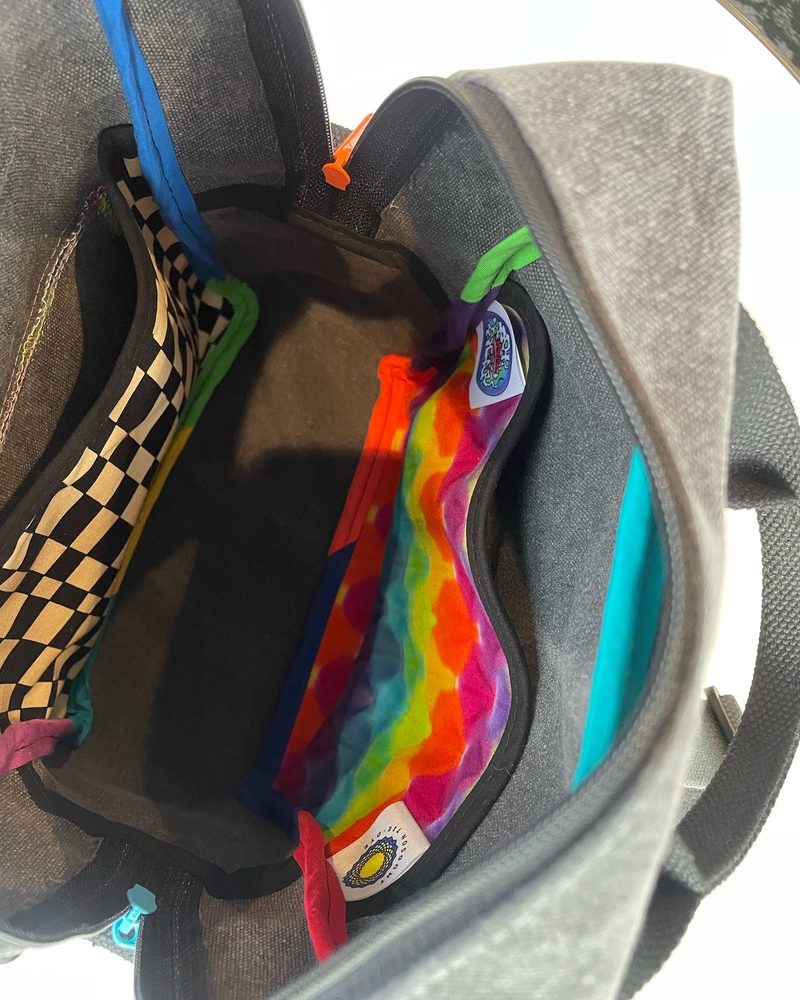
Choosing the right fabric is the most important decision you'll make when designing a handmade bag. The material determines how the bag feels, how long it lasts, how it looks, and how easy it is to sew. After years of experimenting with dozens of fabrics, here's what you need to know about the most popular options.
Cotton Canvas
Cotton canvas is the workhorse of the bag-making world. It's durable, widely available, relatively affordable, and comes in an enormous range of weights, colors, and prints. For most bag projects, look for canvas in the eight to twelve ounce range. Lighter canvas works for linings and smaller pouches, while heavier weights are better for totes and backpacks. Canvas takes dye and printing beautifully, which is why it's a go-to for bold, colorful designs.
Denim
Denim is cotton canvas's tougher cousin. The twill weave gives it a distinctive diagonal texture and incredible strength. Denim bags have a casual, lived-in aesthetic that only gets better with time. The main challenge with denim is its weight. Twelve to fourteen ounce denim is perfect for bags, but sewing through multiple layers at seam intersections requires a sturdy machine and thick needles. Denim also frays beautifully, which you can use as a deliberate design element.
Corduroy
Corduroy brings texture and warmth to bag designs. The raised wales create a ribbed surface that feels cozy and looks distinctive. Wide-wale corduroy works best for bags because the ribs are sturdy enough to hold their shape. It's a fantastic choice for fall and winter pieces and pairs wonderfully with denim and canvas in patchwork compositions. The one downside is that corduroy can be a dust magnet, so it's better suited for pouches and smaller bags than everyday totes.
Sherpa and Fleece
Sherpa is the ultimate cozy fabric. With its curly, wool-like texture on one side and smooth knit backing on the other, it adds a plush, tactile element to any piece. At Wook Wear, sherpa shows up in buddy pouches and as accent panels. It's not structural enough to use as a primary bag fabric, but combined with a sturdier outer shell, it creates something that people can't stop touching. Fleece is similar but flatter and lighter, making it a good choice for linings.
Nylon and Polyester
When water resistance and ultra-light weight are priorities, synthetic fabrics step in. Ripstop nylon is incredibly strong for its weight and resists tearing even when punctured. Cordura nylon is heavier but nearly indestructible. Polyester is less expensive and holds printed designs well. The trade-off with synthetics is that they lack the warmth and character of natural fibers. They don't develop a patina, and they can feel plasticky. But for functional pieces that need to survive harsh conditions, they're hard to beat.
Mixing Materials
The real magic happens when you combine fabrics. A denim exterior with a sherpa-lined pocket, canvas straps on a corduroy body, or patchwork that mixes three or four different materials in one panel. The key is to be intentional about weight and stretch. Keep structural elements in stable, heavy fabrics and use lighter, stretchier materials for accents and linings. When different fabrics meet at a seam, use interfacing on the lighter one to match the weight of its neighbor.