Festival fashion didn't start as fashion at all. It started as self-expression. When half a million people gathered on a dairy farm in Bethel, New York in 1969, nobody was thinking about outfit photos. They wore what felt free: cutoff denim, flowing maxi skirts, hand-embroidered vests, and bare feet. The look wasn't curated. It was genuine.
The Seventies and Eighties
Through the seventies, festival fashion leaned into handmade and natural materials. Macrame, leather, crochet, and tie-dye were everywhere. People made their own clothes or bought from local artisans. The aesthetic was earthy, tactile, and deeply personal. Each piece had a story because someone had actually made it with their hands.
The eighties brought punk and new wave influences to outdoor music events. DIY culture remained strong, but the materials changed. Studded leather, safety pins, hand-painted denim jackets, and screen-printed band tees became the uniform. Festival fashion was still about identity and community, just with a harder edge.
The Rave Era
The nineties and early 2000s rave scene transformed festival fashion completely. Bright colors, UV-reactive fabrics, wide-leg pants, platform shoes, and layers of kandi beads created a visual language that was all about joy, connection, and sensory experience. The PLUR ethos (peace, love, unity, respect) extended to what people wore and traded. Handmade kandi bracelets became the ultimate festival currency, exchanged through an elaborate handshake ritual.
Modern Festival Culture
Today's festival fashion is a remix of everything that came before. You'll see tie-dye next to techwear, crochet halter tops next to LED-embedded jackets, and vintage deadstock next to pieces by independent makers. The biggest shift is the emphasis on functionality. People aren't just wearing costumes anymore. They need pockets, they need crossbody bags that stay put in a crowd, they need pouches that keep their essentials secure while they dance.
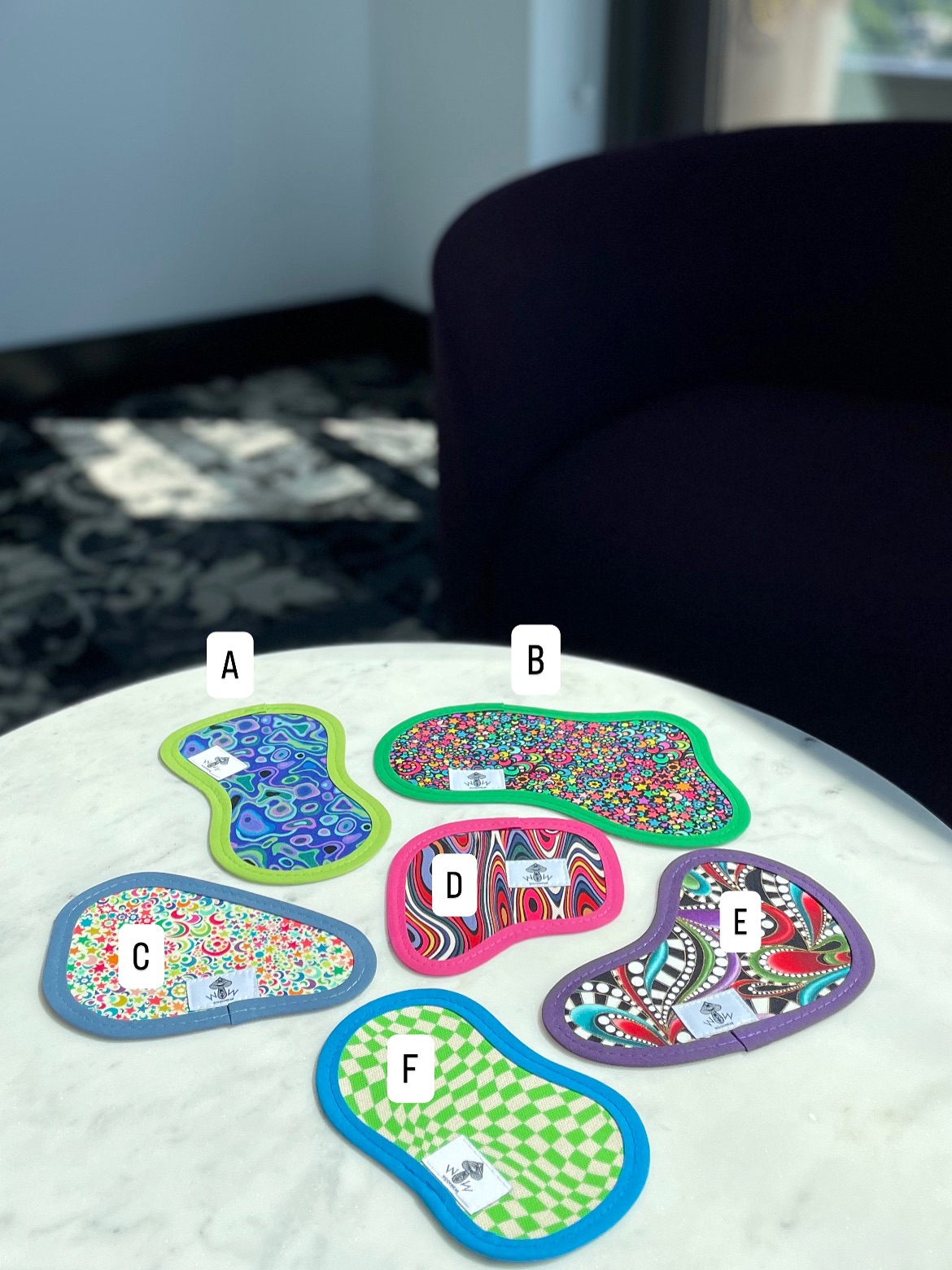
This is where the wook aesthetic lives. "Wook" started as a somewhat playful term for the most dedicated festival-goers, the ones who live for the music and the community rather than the photo ops. Wook fashion prioritizes authenticity, durability, and handmade craft over brand names and trends. It's the difference between buying a mass-produced fanny pack and carrying a one-of-a-kind pouch that was hand-sewn by a fellow member of your community.
Where It's Going
The future of festival fashion is sustainable, handmade, and community-driven. Fast fashion festival outfits worn once and discarded are falling out of favor. More and more festivalgoers are investing in quality handmade pieces, supporting independent makers, and building wardrobes that evolve with them over years of adventures. Every patch, every repair, every new addition tells a story. That's what festival fashion was always meant to be.