If you've ever watched a maker work, you've probably noticed they switch between hand stitching and machine sewing without a second thought. That back-and-forth isn't random. Each method shines in different situations, and knowing when to use which one is what separates a wobbly first project from something you're genuinely proud of.
When Hand Sewing Wins
Hand sewing is all about control. When you're attaching a snap closure to a pouch, finishing a rolled edge, or adding decorative sashiko stitching, there's simply no substitute for the precision of a needle in your hand. You can feel the fabric, adjust your tension stitch by stitch, and work around curves and corners that would jam most home machines.
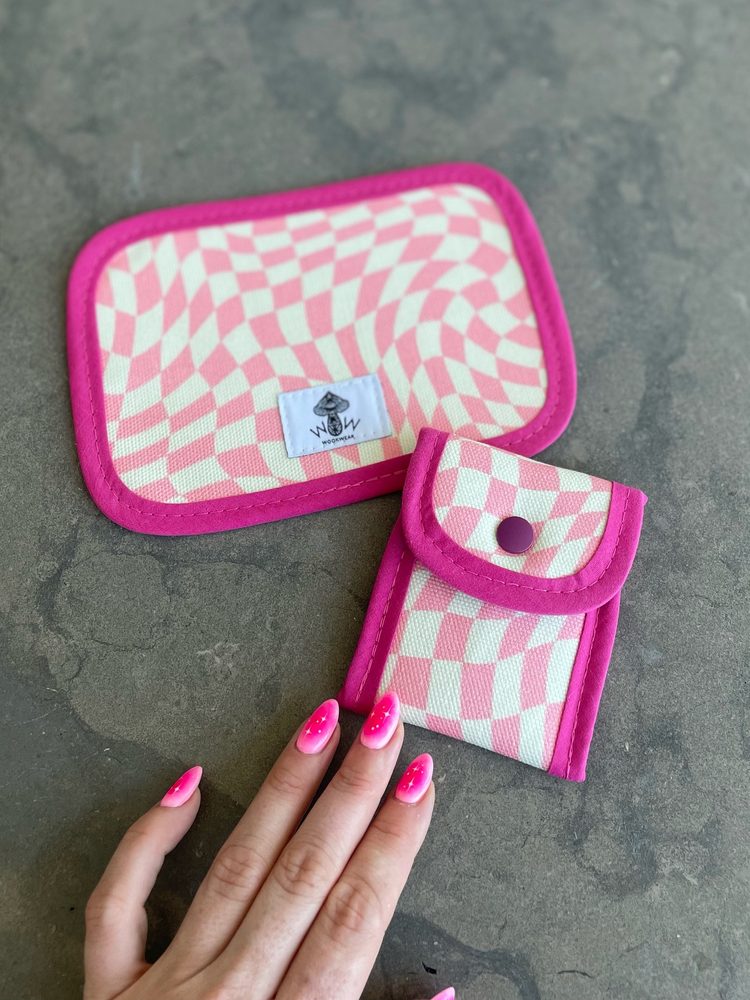
Decorative techniques like blanket stitch binding, embroidery, and applique are almost always done by hand. The slight irregularity of hand stitches is part of their charm. Every Wook Wear piece has at least some hand-sewn elements because those details are what make each one truly one-of-a-kind.
When the Machine Takes Over
For structural seams that need to hold up to daily wear, the sewing machine is your best friend. A machine lockstitch is stronger and more consistent than most hand stitches, and it's dramatically faster. When you're sewing the main body seams of a crossbody bag or topstitching through multiple layers of waxed canvas, the machine delivers the power and speed you need.
Bar tacks, which are those dense clusters of stitches at stress points like strap attachments, are another place where the machine excels. A good bar tack can hold hundreds of pounds of force, which matters when someone is dancing through a festival crowd with your bag bouncing on their hip.
The Sweet Spot: Using Both
Most handmade bags and pouches use a combination of both methods. The workflow usually goes like this: cut and prep by hand, sew the structural seams on the machine, then finish edges, attach hardware, and add decorative touches by hand. This hybrid approach gives you the durability of machine sewing with the artistry of hand stitching.
If you're just starting out, don't feel pressured to buy an expensive machine right away. A simple needle, quality thread, and a thimble can get you surprisingly far. Once you've built a few pieces by hand and understand how seams work, the machine will make a lot more sense when you're ready for it.